
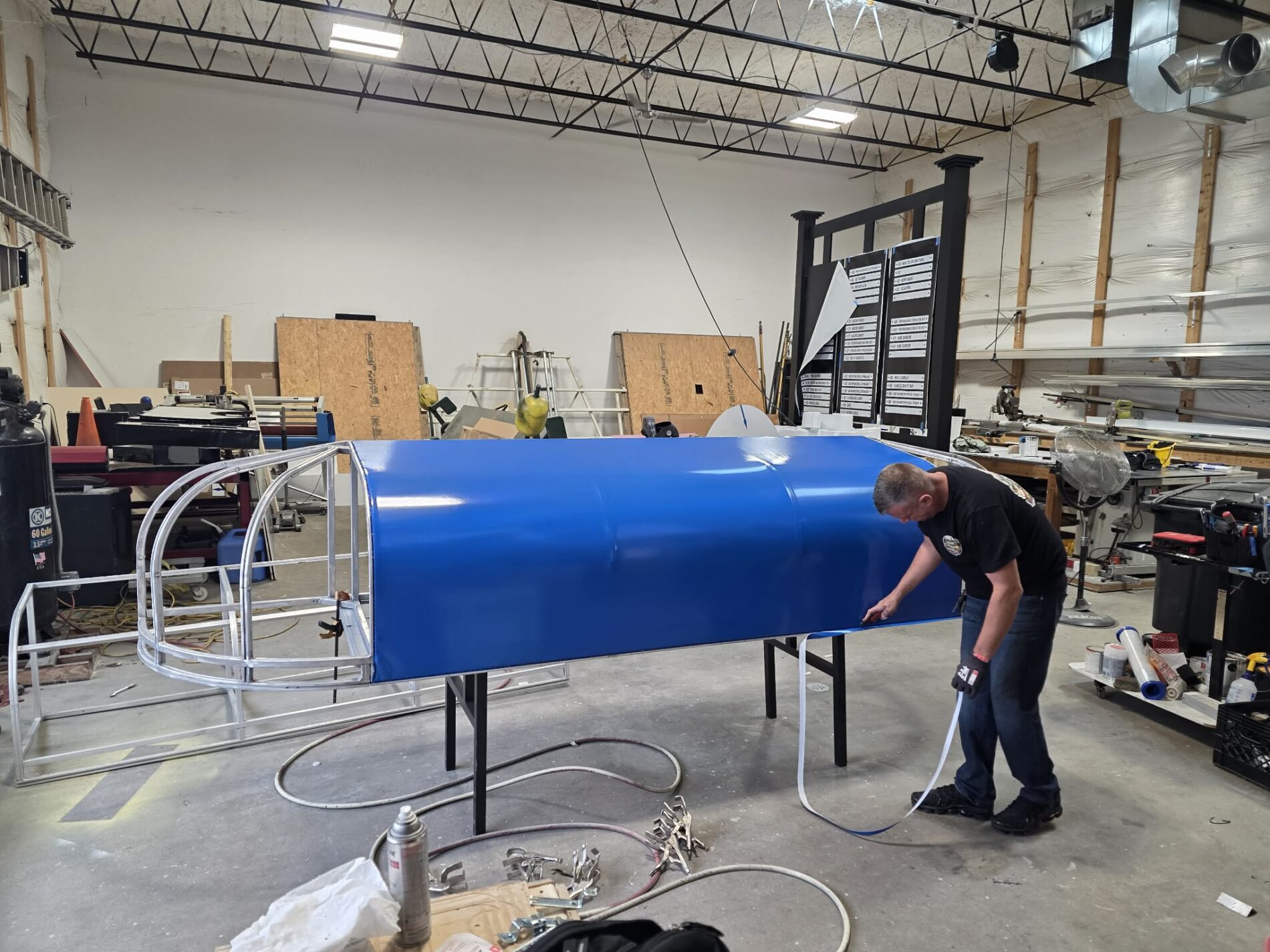
Investing in a new sign is a significant milestone for your business. The process should feel clear and organized from start to finish. If you’re planning your first sign or upgrading an existing one, here’s what you can expect when working with our team.
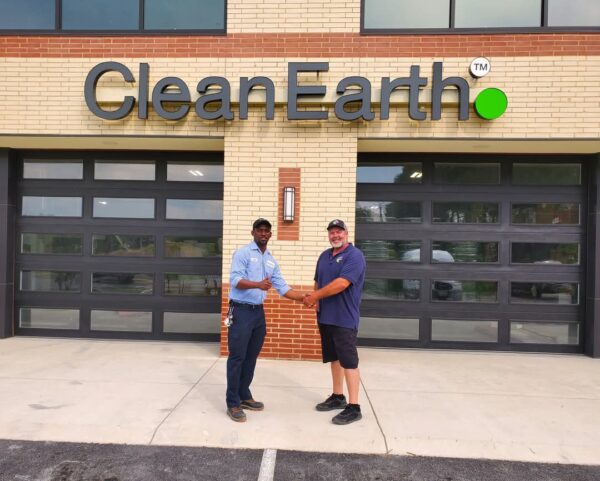
#1 Discovery & File
Every project starts with a conversation. This is where we learn about your business, your location, and what you want your sign to accomplish. Are you increasing visibility? Rebranding? Opening a new space?
At this stage, we’ll request:
- Your logo files
- Brand colors
- Messaging for the sign
- Photos of the location (if available)
The more information we have upfront, the better we can recommend a solution that fits both your brand and your budget. This step sets the direction for everything that follows.
Pro Tip: File Format for Logos
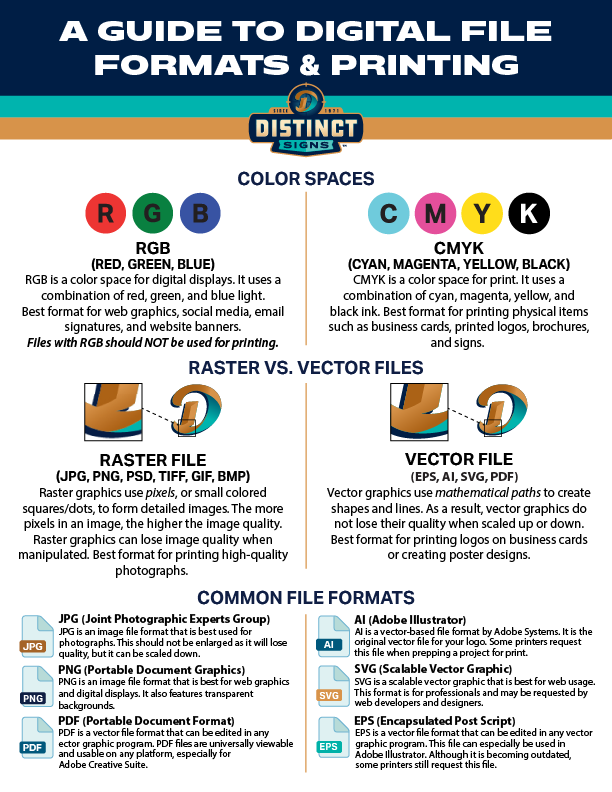
One of the most common delays in signage projects comes down to file quality. The format, resolution, and color setup of your logo all impact how your sign will look once it’s produced.
Vector files are ideal because they can scale without losing quality. Preferred formats include:
- High-resolution PDF
- EPS
- SVG
- AI (Adobe Illustrator files)
If you have a PNG or JPG file, we can still review it and help determine the best next steps. To give you a clearer idea of how file types and color formats affect your final sign, here’s a quick reference:
If you’re not sure what you have, that’s completely normal. We’ll walk through your files with you and make sure everything is set up correctly before moving forward.
#2 Site Survey & Measurements
Once we understand your goals, the next step is confirming the real-world conditions where the sign will be installed. In most cases, this includes a physical site visit. During the survey, our team measures the installation area and reviews the surrounding environment to make sure the sign will fit and function properly.
We typically check:
- Mounting surface (brick, wood, metal, stucco, etc.)
- Available installation space and clearances
- Electrical access for illuminated signs
- Visibility from the street or parking areas
- Any structural or environmental considerations
This step protects your investment. What looks good in a design proof still needs to work safely and effectively on the building itself. By verifying measurements and conditions early, we eliminate surprises and make sure your sign is designed correctly before fabrication begins.
#3 Code & Permit Review
Sign regulations vary by location, and navigating them can feel overwhelming if you’ve never dealt with them before. Before moving forward with final design plans, we review the local zoning requirements that apply to your property. These regulations typically cover things like sign size, placement, height, illumination, and how far a sign can project from a building.
Because we regularly work throughout Fredericksburg, Stafford, Spotsylvania, Richmond, and surrounding areas, our team is familiar with the local sign ordinances and permitting requirements. This allows us to identify potential restrictions early and design signage that meets local guidelines from the start.
In other words, you don’t have to decode any sign regulations on your own. We take care of that process and guide the project forward so your sign moves through approvals as smoothly as possible.
Pro Tip: Local Ordinances
If you’re curious about what goes into sign regulations, you can browse the current ordinances for some of our service areas –
City of Fredericksburg
Stafford County
City of Richmond
#4 Quoting
Once we confirm what is allowed and technically feasible, we prepare a detailed quote for your project.
Every sign is different, so pricing depends on several factors, including the type of sign, overall size, materials, illumination components, installation requirements, and any permitting needs specific to your location.
Your quote will clearly outline the scope of the project so you understand what is included and what to expect moving forward.
If there are multiple ways to achieve your goals, we can also discuss different options that balance visibility, durability, and budget. Our goal is to recommend a solution that works for your space while delivering the professional look your business deserves. Once the quote is approved, the project moves into the design phase.
Not sure which type of sign fits your business?
You can explore examples of different signage styles in our Signs & Graphics portfolio to see how businesses throughout the region are using signage to strengthen their brand presence.
#5 Design & Technical Specifications
Once the quote is approved and the initial deposit is received, our design team begins preparing technical proofs for your sign.
This is where the concept starts turning into something you can clearly visualize. You’ll review layout, scale, materials, finishes, and mounting methods to make sure everything looks right and fits your location.
We’ll work with you to review the proof and make adjustments if needed. Nothing moves into production until the design is fully approved.
Pro Tip: Consider the Viewing Distance
One of the most important design factors for signage is how far away people will be when they see it. A sign viewed from the sidewalk requires different sizing and layout than one meant to be read from the road.
Our team helps make sure your design balances branding with readability so your message is clear the moment someone sees it.
#6 Permitting
If your sign requires a permit, the application process begins after the design has been approved.
At this stage, our team prepares and submits the necessary documentation to the appropriate city or county office. This may include permit applications, design drawings, site information, and landlord approvals if the property is leased.
Each locality has its own review timeline. In many cases, permits can take anywhere from a few days to several weeks depending on the jurisdiction and the complexity of the sign. Throughout this process, we track the progress of the application and keep you informed along the way. Once the permit is approved, your project moves forward into manufacturing.
Pro Tip: Landlord Approvals
If your business is located in a leased space or shopping center, your landlord or property management company may also need to approve the signage before a permit can be issued.
Providing contact information for your property manager early in the process can help avoid delays.
#7 Manufacturing
Once permits are secured, your sign moves into production.
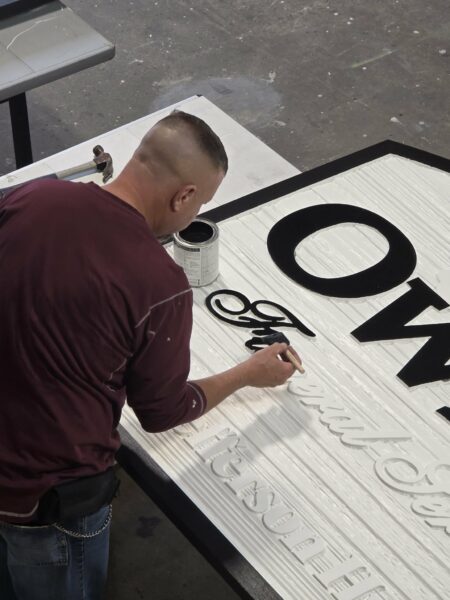
At this stage, our fabrication team begins building the sign using the materials and specifications approved during the design phase. Depending on the sign type, this may involve precision cutting, fabrication, painting, wiring for illumination, and assembly.
Every component is produced with durability in mind. Outdoor signage must perform through changing weather, temperature shifts, and constant exposure to sunlight. That’s why we focus on quality materials and careful construction at every step.
#8 Installation & Final Inspection
After production is complete, we schedule a time to install your sign.
Our installation team secures the sign according to the approved design and structural requirements for the building. If the sign includes lighting, electrical components are installed and connected safely.
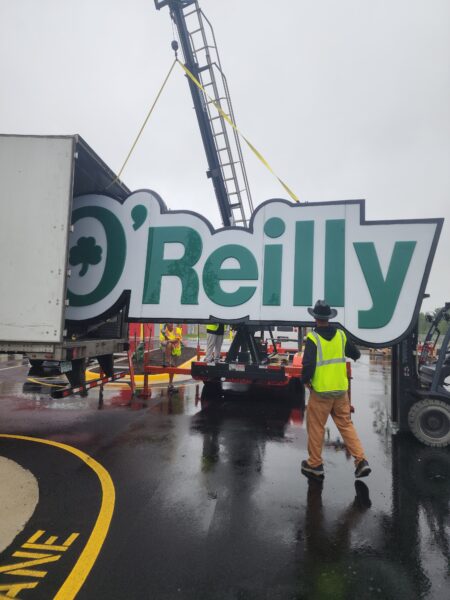
In locations where inspections are required, we coordinate the final inspection with the local jurisdiction to confirm the installation meets code requirements.
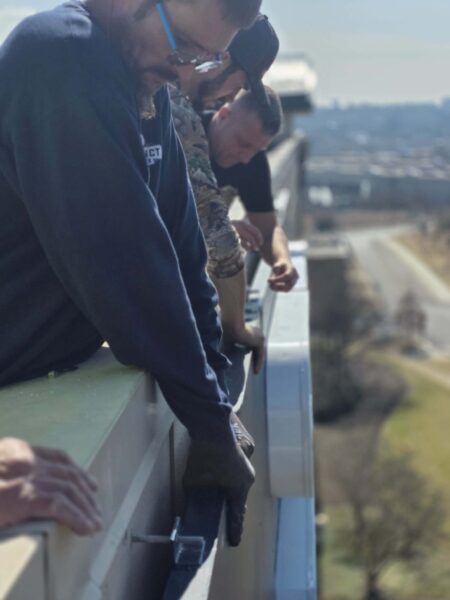
The Result: Your New Sign!
When installation is complete, your sign immediately becomes one of your hardest-working assets. It reinforces your brand every time someone drives by and strengthens your presence in the community. And because it’s built with the right materials and installed correctly, it keeps doing that job for years to come.
What Makes Us Different?
Many businesses come to us after frustrating experiences. Delayed responses. Missed timelines. Unclear permitting guidance. Our approach is different.
We manage the full lifecycle of your signage project so you don’t have to juggle vendors or navigate regulations alone. From the first conversation to final inspection, we stay involved and accountable. That steady process is what makes our signs distinct.
Ready to Start Your Sign Project?
Every sign project is a little different. The best place to begin is by sharing a few details about your business, your location, and the type of signage you’re considering.
Our team will review your information and follow up with next steps, including recommendations, timeline expectations, and pricing guidance.
Submit the form below to get started:


